
More Information
Submitted: May 08, 2026 | Accepted: May 25, 2026 | Published: May 26, 2026
Citation: Geyikci F. Carbon Nanotubes: Environment Application and Properties. Ann Civil Environ Eng. 2026; 10(1): 22-28. Available from:
https://dx.doi.org/10.29328/journal.acee.1001090
DOI: 10.29328/journal.acee.1001090
Copyright license: © Geyikci F. This is an open access article distributed under the Creative Commons Attribution License, which permits unrestricted use, distribution, and reproduction in any medium, provided the original work is properly cited.
Keywords: Nanomaterials; Adsorption; Pollution; Treatment

Carbon Nanotubes: Environment Application and Properties
Feza Geyikçi*
Ondokuz Mayıs University, Chemical Engineering Department, Kurupelit, Samsun, Turkey
*Corresponding author: Feza Geyikci, Ondokuz Mayıs University, Chemical Engineering Department, Kurupelit, Samsun, Turkey, Email: [email protected]
Nanomaterials are a class of materials with nanoscale dimensions. They are embedded in metals, polymer matrix, or ceramic in one or more phases. Carbon nanomaterials include all previous classes of materials, provided those are composed of a structural component at the nanoscale. Carbon nanomaterials have been studied because of their physical and chemical properties and their applications, since they have shown great possibilities to be applied to processes and environmental applications, such as using electrodes, sensors, nanoprobes, electronic materials, field emitters, etc. They also show high capability of removing various inorganic and organic pollutants and radionuclides from wastewaters. Heavy metal ions were removed from aqueous solutions by being adsorbed on the surface of the oxidized carbon nanostructures. This research critically assesses the contributions of carbon nanomaterials to a broad range of environmental applications: sorbents, filtration, high-flux membranes, antimicrobial agents, environmental sensors, renewable energy technologies, agriculture, transport, and pollution prevention strategies.
For energy and environmental applications, many nanomaterials have important usage in different areas, such as in the fields of absorption, separation of high-flow membranes, deep filtration, control of pathogens, environmental sensing, renewable energy production, pollution control, and electrochromic “smart windows” capable of combining indoor comfort with large energy efficiency in the built environment. Nanomaterials such as nanoparticles, carbon nanotubes, biosensors, fullerenes, nanofiltration, and controlled delivery systems find relevant applications in agricultural food topical areas like natural resources management, delivery mechanisms in plants and soils, use of agricultural waste and biomass, in food processing and food packaging, risk assessment, and are also being evaluated [1-3]. Carbon nanomaterials are defined as carbon nanotubes (CNTs), also referred to as carbon nanoparticles. Their dimensions are smaller than 100 nm, and they are not all one-dimensional. CNTs primarily exist in structures such as single-walled and multi-walled CNTs, graphene, fluorescent carbon quantum dots (CQDs), and carbon dots [4].
Carbon Nanotubes have attracted great attention in latent applications such as nanodevices, field emission, gas adsorption, composite reinforcement, metal (ion) nanocomposites, and as catalyst supports because they have unique electrical and exceptional mechanical properties, high chemical and thermal stability, and a large specific surface area. Because of those chemical and physical properties with beneficial applications, Carbon nanomaterials have been studied. They are presenting high capability for the removal of various inorganic and organic pollutants and radionuclides from large volumes of wastewaters. Besides, heavy metal ions can be removed from aqueous solutions that condense on the surface of the oxidized carbon nanostructures. As much as carbon nanomaterials give hope in industries to preserve the environment and resources, they can be used in many technological fields as well [3,5].
The structure of a carbon nanotube is formed by a layer of carbon atoms that are bonded together in a hexagonal (honeycomb) mesh. This thick layer of carbon, which was wrapped in α cylindrical shape and connected to each other to form a carbon nanotube, is called α-graphene. Nanotubes can be made of multiple walls (cylinders inside other cylinders of carbon), or they can have a single outer wall of carbon. Based on the physical properties of the nanotube, the structural, electric, and thermal designs of carbon nanotubes can change [6,7].
The unique properties of carbonaceous nanomaterials most commonly cited in environmental applications are size, shape, and surface area; molecular interactions and sorption properties, and electronic, optical, and thermal properties [7].
The varying physical and chemical properties of CNTs, depending on their synthesis conditions, along with their excellent mechanical and thermal properties, have enabled their widespread use in many fields. Their production via green synthesis methods has made them preferred in numerous scientific and technological applications. Their superior optical properties make them a primary tool in biomedical applications, biological imaging, photocatalysis, and optical and chemical sensing. The structural properties of different carbon nanotubes are shown in Figure 1 [4]. A carbon nanotube has a large surface area with low mass density. It is inert and has tensile strength and a versatile electronic behavior, including high electron and heat conductivity. Although those are the main characteristics of individual nanotubes, using several of them can form secondary structures with specific properties, such as fibers, papers, ropes, and thin films with aligned tubes. These properties make carbon nanotubes ideal options for many applications at a rather low cost. The price depends strongly on both the production process and the quality. High-quality carbon nanotubes can cost 50–100 times more than expensive materials like gold. On the other hand, carbon nanotube synthesis is constantly improving, and that is rapidly decreasing the sale prices. Therefore, the application field of carbon nanotubes is fast-moving and results in several possible new applications every year [1,7].
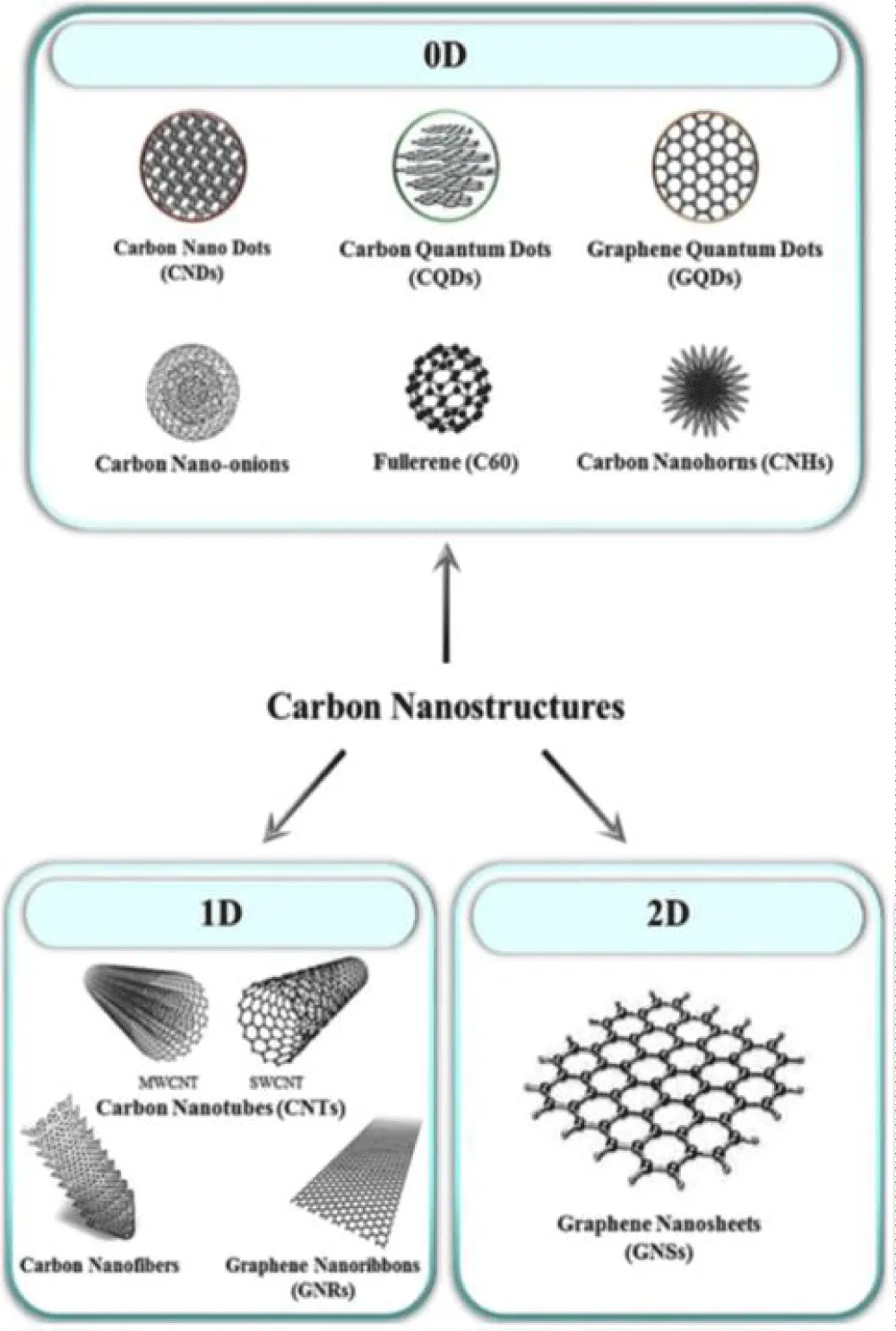
Figure 1: Different types of carbon nanostructures in zero, one, and two dimensions [8].
Properties of carbon nanotubes
Carbon nanotubes (CNTs), in fact, are cylindrical carbon molecules of activated carbon, and with their various properties, they are potentially useful for applications in nanotechnology, optics, electronics, and other fields of materials science, as well as potential uses in architectural fields. Even if their final usage may be limited by their potential toxicity, they are efficient conductors of heat, and they have unique electrical properties with extraordinary strength [9,10].
The properties of multi-wall nanotubes (MWNTs) are generally similar to those of regular polyaromatic solids (which may exhibit graphitic, turbostratic, or intermediate crystallographic structure). Differences are mainly due to different textural types of the MWNTs considered (concentric herringbone, bamboo) and the quality of the nanotexture, both of which control the extent of variance. The bond strength varies significantly for polyaromatic solids that consist of stacked graphene, depending on whether the direction perpendicular to it (characterized by very weak van der Waals and therefore very loose – ≈ 0.34 nm – bonds) or the in-plane direction is considered (characterized by very strong covalent and therefore very short – 0.142 nm – bonds). That kind of heterogeneity cannot be found in (isolated) single-wall nanotubes (SWNTs). On the other hand, the heterogeneity returns when SWNTs associate into bundles along with the related consequences. Thus, the applicability – and properties – of SWNTs can also change dramatically depending on whether SWNT ropes or single SWNTs are involved. In the following, the properties of SWNTs will be emphasized, because their unique structures often lead to different properties than regular polyaromatic solids [11,12,13]. As shown in Figure 1, CNTs exist in 1-D and 2-D nanoscales. 1-D carbon nanotubes (CNTs) are formed by layered bonding of graphite structures with nanoscale radii and centimeter-scale lengths. This structural feature makes CNTs optional in adjusting pore size and modulating graphite layers (Soldano, et al., 2013). The arrangement of atoms and the chirality of CNTs play a significant role in determining their electronic and mechanical properties. The effective mechanism for pollutant removal occurs through the interaction between CNTs, via electrostatic attraction forces, and the formation of chemical bonds between the metal and surface functional groups. 2-D CNTs are structures obtained by arranging 1-D graphite layers in strata on a surface. Different forms of CNTs are classified as double-walled (DWCNT) and multi-walled (MWCNT) [14]. Additionally, single-walled and multi-walled CNTs are shown in Figure 2.
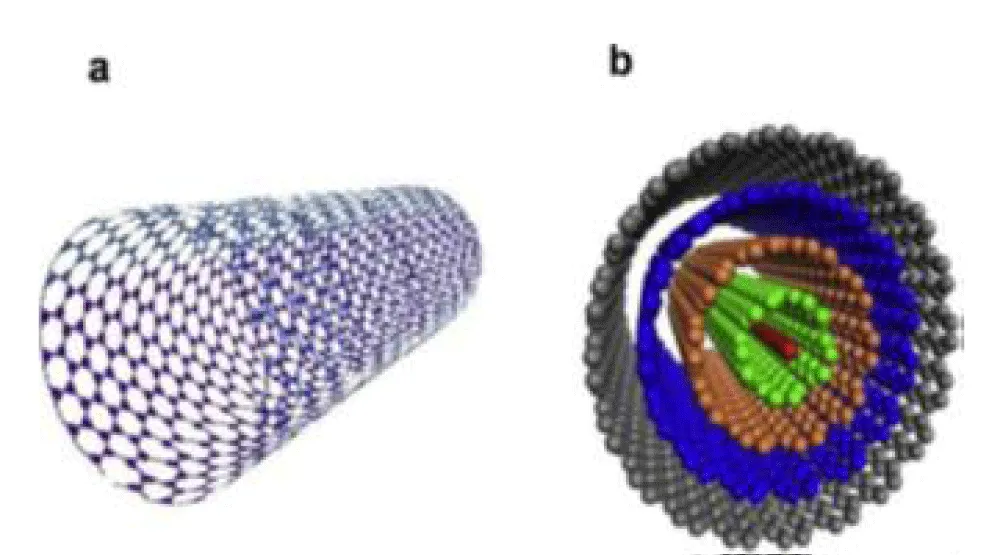
Figure 2: Structural representation of (a) SWCNTs and (b) MWCNTs. [10>15]
Strength properties: Carbon nanotubes have the strongest tensile strength of any material known. It also has the highest modulus of elasticity. The values are given in Table 1.
| Table 1: Strength Properties of different carbon nanotubes. | |||
| Material | Young's Modulus (TPa) |
Tensile Strength (GPa) |
Elongation at Break (%) |
| SWNT | ~1 (from 1 to 5) | 13-53E | 16 |
| Armchair SWNT | 0.94T | 126.2T | 23.1 |
| Zigzag SWNT | 0.94T | 94.5T | 15.6-17.5 |
| Chiral SWNT | 0.92 | ||
| MWNT | 0.8-0.9E | 150 | |
| Stainless Steel | ~0.2 | ~0.65-1 | 15-50 |
| Kevlar | ~0.15 | ~3.5 | ~2 |
| KevlarT | 0.25 | 29.6 | |
Thermal properties: All nanotubes are expected to be very good thermal conductors along the tube, but good insulators laterally to the tube axis. It is predicted that carbon nanotubes will be able to transmit up to 6000 watts per meter per Kelvin at room temperature, compared to copper, a metal which transmits 385 watts per meter per K and is well-known for its good thermal conductivity. The temperature stability of carbon nanotubes is estimated to be up to 2800 °C in vacuum and about 750 °C in the air.
Electrical properties: If the nanotube structure is armchair, then the electrical properties are metallic. If the nanotube structure is chiral, then the electrical properties can be either semiconducting with a very small band gap, or the nanotube is a moderate semiconductor. In theory, metallic nanotubes can carry an electrical current density of 4×10⁹ A/cm2, which is more than 1,000 times greater than metals such as copper.
Defects: In the form of atomic spaces, defects can occur, and such defects can lower the tensile strength by up to 85% with high levels. Because CNTs have a very small structure, the tensile strength of the tube depends on the weakest section in a similar manner to a chain, where the strength of the weakest link becomes the maximum strength of the chain [7, 12,13].
With an expected capacity to affect many industrial activities and lead to the discovery and implementation of unique materials, and in extent from electronics to engineered tissues, nanomaterials and nanotechnologies have become the largest and fastest industrial revolutions in the world. Despite these expected applications, the products of nanoscience and nanotechnologies also raise concerns about their potential health and environmental impacts. The most common nanomaterials and their applications are listed in Table 2.
| Table 2: The most common nanomaterials and their applications. | |
| Nanomaterials | Applications |
| Nanosized TiO2 |
|
| Poly(ethylene) glycol modified urethane acrylate (PMUA) nanoparticles |
|
| Nanoscale iron particles |
|
| Carbon nanotubes |
|
| Silica-titania nanocomposites |
|
Because of their large specific surface areas and small, hollow, layered structures, carbon nanotubes have been investigated as promising adsorbents for various organic pollutants and metal ions. Conventional water treatment methods in treatment applications include bio-sand, flocculation, coagulation, distillation, reverse osmosis, and adsorptive filtration through ion-exchange resins, iron oxide, or active alumina will not be able to remove all the contaminants. Widely used sorbents for water treatment include: carbon nanomaterials, nano-structured metal oxides, and zero-valent iron nanoparticles. Nano iron oxides are well known for removing organic pollutants and toxic ions from water [11-13]. Recent research has shown that nanoparticles (NPs) exhibit exceptional adsorption capacity and antimicrobial properties in wastewater treatment. CNTs, with their superior properties such as high surface area, modifiable surface functions, and high reactivity, have become excellent adsorbents. CNTs can remove inorganic, organic, pharmaceutical, and dye pollutants through adsorption. Numerous experimental studies exist on the adsorption of different types of CNTs (SWCNT, MWCNT, closed-end or open-end types). CNTs, with their large pore size, hollow structures, high specific surface areas, and low bulk densities, establish strong interactions with pollutant molecules. Investigating the adsorption properties of CNTs plays a significant role, both fundamentally and practically, as it can shed new light on the adsorption mechanism in complex systems. Research indicates that CNPs can remove 75% to 90% of pollutants within two hours [16].
Carbon nanostructures have been studied because of their physical and chemical properties and applications, presenting high capability for the removal of various organic and inorganic pollutants and radionuclides from large volumes of wastewaters. Heavy metal ions were removed from aqueous solutions by being adsorbed on the surface of the oxidized carbon nanostructures.
Sorbent-based processes for gas storage, separation, and purification have been subjects of many industrial research and development studies during the past 50 years. For environmental applications, this field has recently been expanded to the exploration of the potential use of carbon nanomaterials. Examples of proposed environmental applications of carbon nanomaterials are shown in Figure 3.
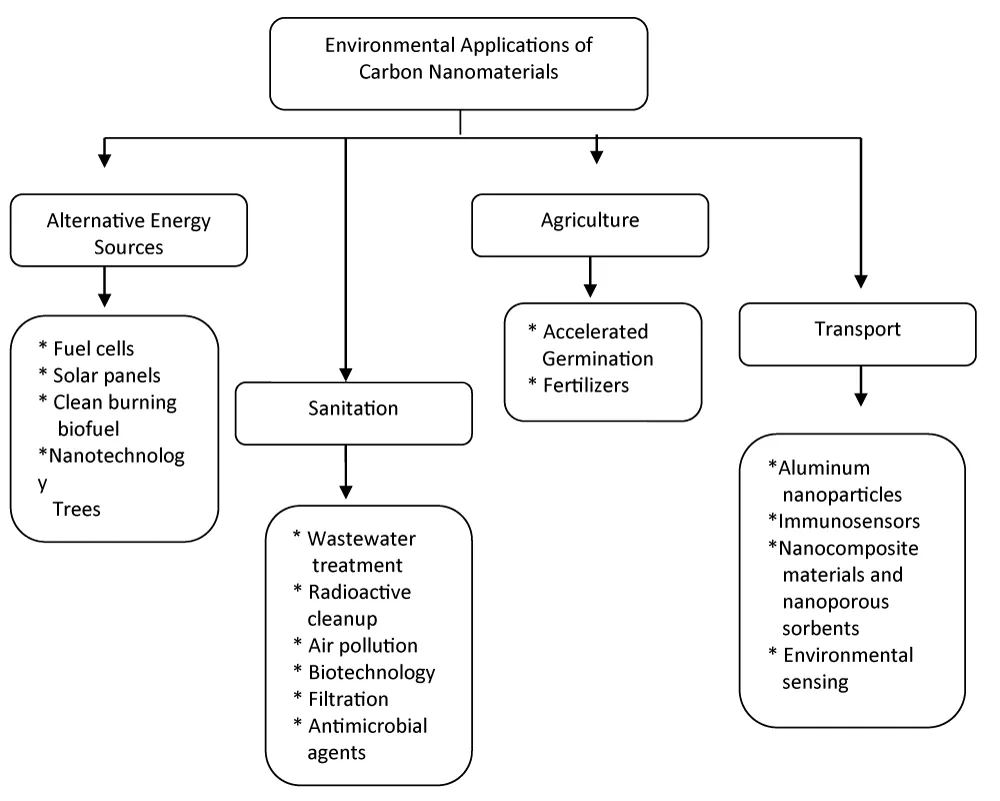
Figure 3: Examples of proposed environmental applications of carbon nanomaterials.
Carbon nanomaterials in waste water treatment
Waste water discharge from domestic, industrial, or agricultural sources encompasses a wide range of contaminants and has drawn worldwide major concern since they adversely affect the quality of water. The sorptive capacity of conventional carbonaceous sorbents is limited by the density of the surface of active sites, the activation energy bonds, the slow kinetics, and the nonequilibrium of sorption in the heterogeneous systems. Carbonaceous nanosorbents, with their high surface area to volume ratio, controlled pore size distribution, and manipulatable surface chemistry. The study of adsorption properties of Carbon Nanotubes plays an important role from both a fundamental and a practical point of view because it could shed new light on the mechanism of adsorption in complex systems. Due to their highly porous and hollow structure, large specific surface area, light mass density, and strong interaction between Carbon Nanotubes and pollutant molecules, the applications of Carbon Nanotubes for the removal of hazardous pollutants from gas streams and from large volumes of aqueous solutions have been studied extensively via theoretical calculations, experimental measurements, and molecular simulations. Many experimental studies have been carried out on the adsorption of heavy metal ions, radionuclides, small molecules, and organic chemicals on different Carbon Nanotubes [2,4,6,7].
Application of Carbon Nanotubes in wastewater treatment is not limited to filtration and sorbent; several researchers observed strong antimicrobial properties of Carbon Nanotubes. Such behavior allows Carbon Nanotubes to replace chemical disinfectants as a new, effective way to control microbial pathogens.
Applying Carbon Nanotubes in water disinfection treatment avoids the formation of noxious DBPs (disinfection byproducts) like haloacetic acids, aldehydes, and trihalomethanes, since they are relatively inert in water and are not strong oxidants. Surfactants or polymers like sodium dodecyl benzenesulfonate, polyvinylpyrolidone, or Triton-X are generally used to facilitate their dispersion. Highly purified Carbon Nanotubes have strong antimicrobial activity toward Gram-positive and Gram-negative bacteria, as well as bacterial spores. The activities inflicted by the antimicrobial property can be attributed to impairment of pathogen cellular function by destruction of major constituents, interference with the pathogen cellular metabolic processes, and inhibition of pathogen growth by blockage of the synthesis of key cellular constituents (e.g., DNA, coenzymes, and cell wall proteins). Some studies have also proposed Carbon Nanotubes as scaffolding for antimicrobial agents like Ag nanoparticles and antimicrobial lysozyme due to their excellent mechanical properties. Despite high synthesis costs, the cost-effectiveness of single-walled and multi-walled nanosorbents over traditional clay and activated carbon was recently demonstrated. Cost-effective environmental applications of nanomaterials’ sorption capacity are not limited to the removal or remediation of common contaminants [11-13].
Carbon nanomaterials in air pollution
Chemical sensing of gases is crucial for a number of environmental applications, and a vast number of sensor materials have been developed. Metal-oxide semiconductors- such as WO3, TiO2, ZnO2, and SnO2- are widely used in sensors having high detection ability and stability. Recently, a new and promising technique was developed for gas sensing with metal-oxide semiconductor materials. The outstanding electrical, electrochemical, and optical properties of Carbon Nanotubes aroused the interest of researchers to explore the potential applications of Carbon Nanotubes as sensing elements to detect and monitor the concentration of toxic gases released in the environment. Carbon Nanotubes possess tunable and unique electronic properties whereby their metallic or semiconductivity is greatly affected by their one-dimensional cylindrical structure, such as chirality and size. Carbon Nanotube-based gas sensors offer many advantages over conventional metal oxide semiconductor gas sensors that include low operating temperature, low power consumption, and high sensitivity [5,11,17]. The interactions of CNTs with gases are being intensively studied for the removal of hazardous pollutants from wastewater and aqueous solutions, with research, experimental measurements, and molecular simulations supported by theoretical calculations. Gas adsorption is used not only for gas storage but also provides important information about CNT bundles. Gas molecules can interact through the outer surfaces of the bundles and the interstitial channels and interiors between CNTs. Due to strong van der Waals interactions, CNTs generally stick together. The resulting bundles are 80-100 nm in diameter [14].
Environmental impact and toxicity of carbon nanotubes
It is reasonable to address the issue of the potential impact of Carbon Nanotubes on both the environment and human health, while the industrial applications of Carbon Nanotubes increase constantly with the production capacity at the worldwide level (estimated to be a few hundred tons in 2007). Besides, it is important to consider that the large variety of Carbon Nanotubes (DWNT, MWNT, SWNT, hetero-CNTs, hybrid CNTs, etc.) and of synthesis routes (laser ablation, arc-discharge, CCVD), as well as the lack of standardized testing procedures, make the examination of the toxicity of Carbon Nanotubes very difficult, and the comparison of the already published results almost impossible. Rather than as individual objects, Carbon Nanotubes are mostly found as bundles or more likely as large micrometric agglomerates. Depending on the synthesis route and purification steps they may have undergone, all samples contain different levels of residual catalyst(s). Usual purification treatments involve the combination of oxidizing agents and acids, which leads to partial functionalization of the outer wall, making the treated samples more hydrophilic [8,18]. MWNTs are generally more rigid and shorter (tens of micrometers), whereas SWNTs and DWNTs usually form flexible and long bundles (hundreds of micrometers long, typically). MWNTs also have generally more surface defects that enhance their chemical reactivity. The specific surface area can range from a few tens of square meters per gram in the case of densely packed MWNTs to just below 1000 m2/g in the case of SWNTs and DWNTs (the theoretical limit being CN 1300 m2/g in the case of individual closed SWNTs). The main exposure routes for dry Carbon Nanotubes are inhalation and dermal contact (also possible in the case of suspensions). Although it is in fact more or less related to inhalation, ingestion is generally not considered (would be accidental). In the case of suspensions, the main issue concerns their stability. This question has been widely studied worldwide, and the general approach is the addition of a surfactant in order to stabilize the Carbon Nanotube in the liquid [2,3,12]. The main problem is that all commonly used surfactants are toxic to a certain extent and thus should not be used in the presence of living cells or animals for in vivo or in vitro investigations, or at such low concentrations that they do not play the role they are supposed to. Even though a few natural surfactants have been examined, the stability of the suspensions in the presence of living organisms is often very different (fast destabilization leading to flocculation). Injection into the bloodstream is envisaged but would not be accidental (biological applications such as imaging, targeted cell delivery, hyperthermia, etc.). Mainly on their physicochemical characteristics, Carbon Nanotubes can travel following different routes depending on the entry point (translocating: moving from one organ to another) after their entrance to the body. Objects recognized as non-self by the immune system usually end up in the liver or the kidneys if they can be transported there and could possibly be excreted (eliminated) from the body. In the general case, Carbon Nanotubes will just accumulate (biopersistance) [9,13]. They are usually deflected by macrophages, which are present in all tissues, engulf and digest (phagocyte) cellular debris and pathogens, as well as stimulate lymphocytes and other immune cells. Because macrophages have a small size compared to that of agglomerates, bundles, or even individual Carbon Nanotubes, they usually cannot manage to get rid of the Carbon Nanotubes by phagocytosis. However, macrophages try to do so and thus release reactive oxygen species (ROS), cytokines (interferons (IFN)), enzymes, etc., and agglomerate around them to provide isolation from the body. Proteins presented in most biological fluids (complement system – innate immunity) and blood have a similar role by labelling the Carbon Nanotubes (opsonization) and possibly generating inflammatory reactions. The complement system strongly interacts with the lymphocytes. These natural phenomena have deleterious consequences on the surrounding tissues: inflammation in the first instance, formation of granuloma (commonly observed in the lungs after exposure to Carbon Nanotubes). Each target organ has its own phagocyte cells (Langerhans cells in the skin, Kupffer cells in the liver, etc.). Both in vitro and in vivo experiments can be used to assess toxicity. Cell cultures (usually immortalized cancer cells, but also primary cultures or even stem cells) are exposed to suspensions of Carbon Nanotubes in the case of in vitro assays. The animals (mice, rats, worms, amphibians, fishes, etc.) are exposed either to aerosols (inhalation) or mainly again to suspensions of Carbon Nanotubes in the case of in vivo assays, which will be administered according to different protocols depending on the study (contact with the skin, injection, intra-tracheal instillation, etc.). Extrapolating the toxicity results from animals (or even worse, from cells) to humans is very delicate, but the data are, however, very useful in each system and with given experimental conditions for the sake of comparison. As soon as Carbon Nanotubes are in contact with a biological fluid, by adsorption of proteins (complement system, surfactants, etc.), their surface chemistry is likely to be modified very quickly; this adsorption can be very specific and is likely to be dynamic and controlled by the affinity of the molecules for the surface of the Carbon Nanotubes (functionalized or pristine). Thus, it is obvious that the surface chemistry of the Carbon Nanotubes plays an important role [8,11,14]. The potential use of Carbon Nanotubes in commercial products begs the question of their fate at the end of their lifecycle. It is noteworthy that the environmental impact has not been considered, since the impact of Carbon Nanotubes on human health has already been examined for a few years now. Only a few publications (fewer than 15) are available to date, and the concentration at which ecotoxic effects are evidenced is usually much higher than what could be reasonably found in the environment (unless very local and specific conditions). Carbon Nanotubes could act as vectors for pollutants adsorbed on their surface (PAH, polycyclic aromatic hydrocarbons, for example) due to their potentially very high specific surface area, even if they themselves do not show any sign of toxicity. Although more than 500 papers have now been published on this topic within the last 5 years, there is currently no consensus about the toxicity of Carbon Nanotubes. Despite the worldwide effort devoted to this field of research, the huge variety of Carbon Nanotube types, shapes, compositions, etc., will make it very difficult to answer this simple question: Is Carbon Nanotube toxic? The principle of precaution should not stop all research in this area, but only draw attention to a more responsible attitude of people working on their synthesis or manipulating them, and industrials willing to include them in consumer products. Gloves should always be worn, as well as an adapted (FFP3 type) disposable dust mask, and to limit contamination of clothes, wearing a lab coat is recommended. Carbon nanotube waste should be burned.
Carbon nanomaterials for alternative energy sources
Worldwide consumption of marketed energy is anticipated to increase by 57% between 2004 and 2030. This phenomenon foresees the requirement for advanced renewable energy source technologies in order to meet the long-term energy demand challenge and protect the environmental balance [10]. Most applications constitute material improvements to secondary components; on the other hand, tough nanomaterials and nanocomposites will find applications across renewable energy sectors. The greatest potential for nanomaterials to yield fundamental breakthroughs lies in solar energy applications. The other potential use of carbon nanomaterials in H2 storage is receiving considerable interest worldwide because materials that can store large amounts of hydrogen under practical conditions are desirable for emerging fuel-cell-powered vehicles. According to one study, SWNTs have a larger capacity for H2 storage than MWNTs. It was revealed that H2 storage capacity increases linearly with the diameter of the tube for SWNTs, whereas it is independent of diameter for MWNTs [16-18].
Carbon nanomaterials in composite filters
While aligned Carbon Nanotube composite membranes produce highly specific, tunable, and rapid filtration on the bench scale, they are still in the early stages of research and development and are difficult to manufacture. Alternative Carbon Nanotube applications in composite membranes utilize the physical properties of Carbon Nanotubes to improve upon the mechanical stability of the membrane or as a tool to disrupt polymer packing of the active layer in traditional reverse osmosis membranes. Subsequent composite membrane designs combine enhanced flow rates with other unique properties of carbonaceous nanomaterials, including sorption capacity, antimicrobial activity, and thermal stability. Assuming immobilization of the nanomaterials can be demonstrated over the membrane lifespan, this may be a low-risk and efficient way to apply the unique properties of nanomaterials toward water and wastewater treatment [1,6,17].
Carbon nanomaterials in antimicrobial agents
In addition to spawning a suite of novel environmental applications, the unique properties and nanoscale dimensions of fullerenes and nanotubes have raised concern among toxicologists and environmental scientists. Specific classes of nanomaterials may be applicable for water disinfection, medical therapy, antimicrobial surface coating, or laboratory techniques in microbiology. Novel antimicrobial surface coatings that exploit the inherent vulnerability of bacteria toward CNTs may provide excellent engineering solutions to the challenging problem of bacterial colonization and development of biofilm in drinking water systems, medical implant devices, and other submerged surfaces. Several research groups are investigating applications of antimicrobial and antiviral nanoparticles for water treatment and distribution systems. CNTs have been proposed as scaffolding agents for antimicrobial Ag nanoparticles or semiconducting photo catalysts such as TiO2 [18-21].
This review presents the structural properties of carbon nanotubes (CNTs) and their applications in various fields. CNTs possess several unique properties, particularly their adsorption characteristics and dimensions. Adsorption applications in wastewater treatment, especially in the removal of metal ions and organic pollutants, have made significant progress in recent years. The high adsorption capacities of CNTs suggest that they can offset their high cost. Furthermore, their amenity to modification processes allows for further development. However, while it is possible to alter the surface properties of CNTs using conventional chemical methods, the excessive use of chemicals leads to environmental pollution. CNT/magnetic composites produced in conjunction with CNTs are promising materials in large-scale environmental pollution management. Ultracentrifugal separation is an effective method for separating CNTs, but it requires high energy. Membrane filtration is another technique used to separate CNTs from aqueous solutions. Its disadvantage is that the membrane can easily become clogged. Compared to centrifugation and filtration methods, magnetic separation is considered a rapid and effective technique for separating nanoparticles from aqueous solutions. The exceptional physical and electronic properties of carbon nanomaterials make them excellent candidates for a wide range of applications. Furthermore, carbon nanotubes are identified as a significant challenge in “green” energy production, including clean combustion. To date, limited progress has been made in identifying energy and environmental applications of carbon nanomaterials such as carbon nanotubes. However, due to their unusual structures and properties, research continues into the development of carbon nanotube-based technologies for industrial applications in the energy and environmental fields.
Acknowledgement
I would like to thank Kerem Pişkin for his assistance in preparing the manuscript for this study.
- Ye C, Gong QM, Lu FP, Liang J. Adsorption of uraemic toxins on carbon nanotubes. Separation and Purification Technology. 2007;58:2-6. Available from: https://doi.org/10.1016/j.seppur.2007.07.003
- Rao GP, Lu C, Su F. Sorption of divalent metal ions from aqueous solution by carbon nanotubes: a review. Separation and Purification Technology. 2007;58:224-231. Available from: https://doi.org/10.1016/j.seppur.2006.12.006
- Mc-Dermott D, Borrajo J. PHYS43 Modern Physics, SRJC Section 5756 Modern Physics Project.
- Sajid M, Płotka-Wasylka J. Nanoparticles: synthesis, characteristics, and applications in analytical and other sciences. Microchemical Journal. 2020;154:104623. Available from: https://doi.org/10.1016/j.microc.2020.104623
- Hu JS, Zhong LS, Song WG, Wan LJ. Synthesis of hierarchically structured metal oxides and their application in heavy metal ion removal. Advanced Materials. 2008;20:2977-2982. Available from: https://doi.org/10.1002/adma.200800623
- Mauter MS, Elimelech M. Environmental applications of carbon-based nanomaterials. Environmental Science & Technology. 2008;42(16):5843-5858. Available from: https://doi.org/10.1021/es8006904
- Hoel A, Reyes LF, Hezler P, Lantto V, Granqvist CG. Nanomaterials for environmental applications: novel WO3-based gas sensors made by advanced gas deposition. Current Applied Physics. 2004;4:547-553. Available from: https://doi.org/10.1016/j.cap.2004.01.016
- Asadian E, Ghalkhani M, Shahrokhian S. Electrochemical sensing based on carbon nanoparticles: a review. Sensors and Actuators B: Chemical. 2019;293:183-209. Available from: https://doi.org/10.1016/j.snb.2019.04.075
- Tan X, Chen C, Yu S, Wang X. Sorption of Ni2+ on Na-rectorite studied by batch and spectroscopy methods. Applied Geochemistry. 2008;23:2767-2777.
- Agnihotri S, Abadi MR, Rood MJ, Chang R. Energy and environmental applications of carbon nanotubes. Fuel Chem Div Prepr. 2002;47(2):474-476.
- Ong YT, Ahmad AL, Zein SHS, Tan SH. A review on carbon nanotubes from an environmental protection and green engineering perspective. Brazilian Journal of Chemical Engineering. 2010;27(2):227-242. Available from: https://doi.org/10.1590/S0104-66322010000200002
- Ren X, Nagatsu M, Wang X. Carbon nanotubes as adsorbents in environmental pollution management: a review. Chemical Engineering Journal. 2011;170:395-410. Available from: https://doi.org/10.1016/j.cej.2010.08.045
- Upadhyayula VKK, Deng S, Mitchell MC, Smith GB. Application of carbon nanotube technology for removal of contaminants in drinking water: a review. Science of the Total Environment. 2009;408:1-13. Available from: https://doi.org/10.1016/j.scitotenv.2009.09.027
- Poonia K, Singh P, Ahamad T, Le QV, Quang HHP, Thakur S, et al. Sustainability, performance, and production perspectives of waste-derived functional carbon nanomaterials towards a sustainable environment: a review. Journal of Cleaner Production. 2023;398:136533. Available from: https://doi.org/10.1016/j.chemosphere.2024.141419
- Gupta N, Gupta SM, Sharma SK. Carbon nanotubes: synthesis, properties and engineering applications. Carbon Letters. 2019;29:419-447. Available from: https://doi.org/10.1007/s42823-019-00068-2
- Chen CL, Hu J, Shao DD, Li JX, Wang XK. Adsorption behavior of multiwall carbon nanotube/iron oxide magnetic composites for Ni(II) and Sr(II). Journal of Hazardous Materials. 2009;164:923-928. Available from: https://doi.org/10.1016/j.jhazmat.2008.08.089
- Oh Y, Chun K, Lee E, Kim Y, Baik S. A novel silver/polymer composite with electrical conductivity higher than that of bulk tungsten was developed through the addition of a small amount. Journal of Materials Chemistry. 2010;20:3579-3582.
- Joseph T, Morrison M. Nanotechnology in agriculture and food production. Institute of Nanotechnology; 2006.
- Fenin K. NEPAD: African Forum on Science and Technology for Development; 2008.
- USDA. Nanoscale science and engineering for agriculture and food systems. United States Department of Agriculture; 2003.
- Applications of carbon nanomaterials in transport. CNT Ltd. Available from: https://www.cnt-ltd.co.uk/nano/information/applications-of-carbon-nanomaterials-in-transport/
- Chen W, Duan L, Zhu D. Adsorption of polar and nonpolar organic chemicals to carbon nanotubes. Environmental Science & Technology. 2007;41:8295-8300. Available from: https://doi.org/10.1021/es071230h
- Perez LMR, Herrera AVH, Borgez JH, Delgado MAR. Carbon nanotubes: solid-phase extraction. Journal of Chromatography A. 2010;1217:2618-2641. Available from: https://doi.org/10.1016/j.chroma.2009.10.083