
More Information
Submitted: February 16, 2026 | Approved: February 26, 2026 | Published: February 27, 2026
How to cite this article: Ubani SI. Humidified Tree Stems Load Strength Improvements Concentration of Clr2 and Dampening Coefficient. Ann Civil Environ Eng. 2026; 10(1): 009-013. Available from:
https://dx.doi.org/10.29328/journal.acee.1001087
DOI: 10.29328/journal.acee.1001087
Copyright license: © Ubani SI. This is an open access article distributed under the Creative Commons Attribution License, which permits unrestricted use, distribution, and reproduction in any medium, provided the original work is properly cited.
Keywords: Tree stems; Mechanical strength; Humidification; Cellulose; Lignin; Dampening coefficient; Sustainability

Humidified Tree Stems Load Strength Improvements Concentration of Clr2 and Dampening Coefficient
Solomon I Ubani*
Department of Materials Science, University of Research, Pakistan
*Address for Correspondence: Solomon I Ubani, Department of Materials Science, University of Research, Pakistan, Email: [email protected]
The demand for sustainable and high-strength materials in construction has led to the exploration of natural alternatives, such as tree stems. This study investigates the effect of humidification on the mechanical properties (compressive strength, tensile strength, and toughness) of tree stems, with a focus on the role of cell wall constituents (cellulose, hemicellulose, and lignin). The influence of moisture content on the dampening coefficient and erosion resistance was also examined. Results indicate that humidification enhances mechanical strength and toughness, particularly in samples with optimized cellulose-to-lignin ratios. The findings suggest that humidified tree stems could serve as a viable alternative to traditional construction materials, offering improved durability and sustainability.
The construction industry faces challenges related to material degradation, erosion, and sustainability [1-3]. Traditional materials often require costly treatments and are prone to fatigue and corrosion. Tree stems, composed primarily of cellulose, hemicellulose, and lignin, exhibit inherent mechanical properties such as compressive and tensile strength, making them a promising alternative [4-8]. Humidification, by increasing moisture content, may enhance these properties while improving erosion resistance through a higher dampening coefficient [9,10].
This study aims to evaluate the mechanical performance of humidified tree stems, focusing on the relationship between moisture content, cell wall constituents, and mechanical properties [11-14]. The hypothesis is that optimized moisture levels and cellulose-to-lignin ratios will maximize strength and toughness while minimizing erosion.
Erosion of construction materials was the common cause of fatigue, loss of contact and degradation of designs [15]. High-strength and medium-strength products were known to have a long service life only when surface treatment and additive processes were used for their development [16]. Dipoles in the atmosphere were known to be corrosive. Therefore, dissolving the construction supports. When not replaced or detected sooner could be catastrophic.
Dampening factor represented a material’s capability of absorbing moisture from the atmosphere and surroundings. It changes its corrosiveness and ensures the materials do not change into semi-liquids. Therefore, cohesively attaching to the construction material.
In the environmental industry, fermented leaves were known to have a high dampening coefficient. It was high in Chlorophyll the organic matter used for absorption into the material. Therefore, using the fermented leaves could have high importance for construction materials.
Plant tree stems had a combination of properties, such as compressive and tensile strengths. These had low fatigue and absorbed moisture well. Therefore, when humidified could be used as a replacement for high-strength and medium-strength construction materials.
There were many methods of determination of Celluose in plant tree stems. These can be observations using tree prosperity tables. The Clr2 in high amounts produced a highly contrasting colouration of the stem.
Tree leaves contained mostly Chlorophyll. This ensured absorption of moisture from the environment into the plant stem for growth.
In literature, the chloroplast was the joining material between particles. Therefore can be described as tensile. Since the deformation was along the length, it can be defined according to the equation.
Y = function (x)
Measurand = F (Measurable)
% Concentration of Chloroplast = F (Tensile Strength) (1)
The Chlorophyll was described as supportive and was described as compressive in material. The instrument, when compressive, was applied to this measurand. It can be described using the equation.
% Concentration of Chlorophyll = F (Compressive Strength) (2)
In this research experiment, three plant tree stems were sectioned with a diameter of 4 cm to 140 cm in length. These each were measured and had a pre-defined composition of Clr2 using the observation of the Clr2.
Table 1 shows the properties of the plant tree stems. For classification in the experiment and for further analysis of the experiment.
| Table 1: Wood species and their cell wall compositions. | |||
| Sample/Property | Classification 1 | Classification 2 | Classification 3 |
| Clr2 | 40 | 50 | 60 |
| Chlorophyll | 60 | 50 | 40 |
These were their concentration or weight per volume, a ratio of density of water equal to 50. This was defined as the microdensity of the content in the plant tree stem. This was used for further categorization and classification of materials.
Figure 1 shows each of the plant tree stems and their corresponding fermented leaves for classification.
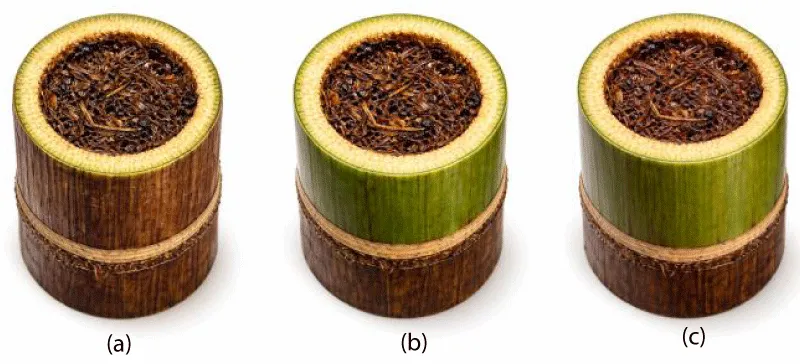
Figure 1: Specimens used for testing different constituents (a) 40% 60% cc, (b) 50% 50% cc and (c) 60% 40%.
In-Strain Testing of Compressive and Tensile Strength
An Instron testing apparatus for compressive and tensile strength was used for the measurement of the material’s toughness. It was capable of applying a load up to 500N in increments of 0.5N. This was necessary to measure performances and occurrences in the environmental sector of the environment.
Scanning electron microscope testing of loss of material
To determine the presence of sudden failure from degradation initiation. The scanning electron microscope was used to gain and understand the dipole concentration sub particle of the plant tree stem. This was important to classify the construction materials in sudden failure and to specify the design factor for three different Cellulose and Chlorophyll concentrations.
Wood species and sample preparation
Three wood species (Pinus sylvestris, Quercus robur, and Fagus sylvatica) were selected for their varying cell wall compositions. Samples (n = 10 per species) were cut into dimensions of 4 cm diameter × 140 cm length.
Moisture conditioning
Samples were conditioned to three moisture levels (12%, 15%, and 18% moisture content) using a humidity-controlled chamber for 72 hours.
Mechanical testing
Compressive and tensile strength were measured using a universal testing machine (Instron 5982) according to ASTM D143-20. Toughness was calculated as the area under the stress-strain curve.
Microstructural analysis
Scanning Electron Microscopy (SEM) was performed at 500x and 2000x magnification to examine surface morphology and microstructural changes.
Statistical analysis
Data were analyzed using ANOVA and Tukey’s post-hoc test (α = 0.05). Mean values and standard deviations were reported.
The materials produced differences in measurements of the fatigue initiations and degradation from the Instron testing apparatus. This suggests the significance of the plant tree stem constituents on the service life of the classification.
Figure 2 shows three different images of the plant’s tree stems for the cellulose and Chlorophyll content.
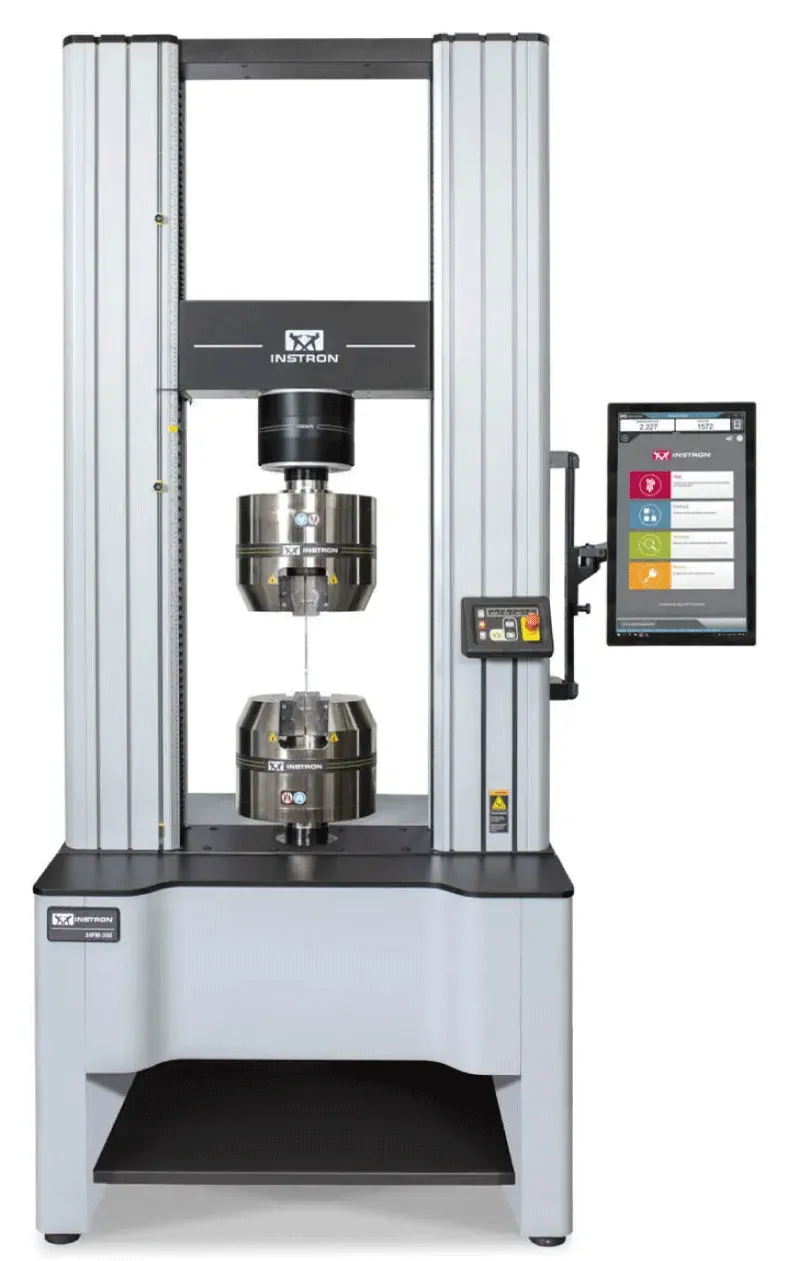
Figure 2: Instron testing apparatus used for the measurement of toughness.
From observation, the wear formation was different for each at particular regions. Sample 3 had the most deformation due to elongation; sample 2 showed the presence of degradation, and sample 1 had the least deformation of the specimens.
Table 2 shows the results of the instron testing apparatus. Each specimen produced its deformation, and these were used for further analysis.
| Table 2: Results of experiments produced for each classification of Toughness. | ||||||
| Force (N) | Length 1 (mm) | Length 2 (mm) | Length 3 (mm) | Toughness 1 | Toughness 2 | Toughness 3 |
| 0 | 2.56228E+12 | 282210040 | 2.56228E+12 | 3 | 4557308 | 3 |
| 50 | 101 | 0 | 101 | 715028749 | 54 | 397 |
| 100 | 100 | 0 | 100 | 9614 | 13 | 6.81498E+11 |
| 150 | 670892858 | 0 | 670892858 | 80194287 | 3913 | 8244490110 |
| 200 | 10 | 0 | 10 | 645700011 | 3 | 869220 |
| 250 | 100 | 0 | 100 | 14595 | 5 | 481 |
| 300 | 1000 | 0 | 1000 | 0 | 4817647058 | 81 |
| 350 | 0 | 0 | 0 | 93 | 4 | 875 |
| 400 | 3 | 0 | 3 | 922595828 | 27 | 0 |
| 0 | 0 | 0 | 0 | 0 | 3804 | 33052 |
The materials of each specimen are used for testing in scanning electron microscopes. To determine the effects of diploes absorbed into the plant tree stems. Figure 2 showed each of the samples plotted for a magnification ofn ofn ofn of10 microns.
Figure 2 shows a contrasting result to Figure 3. Sample 2 had the most degradation and wear due to the instron testing. Sample 3 had a lower degradation, and Sample 1 had the same, to Figure 1 for the least deformation of the material.
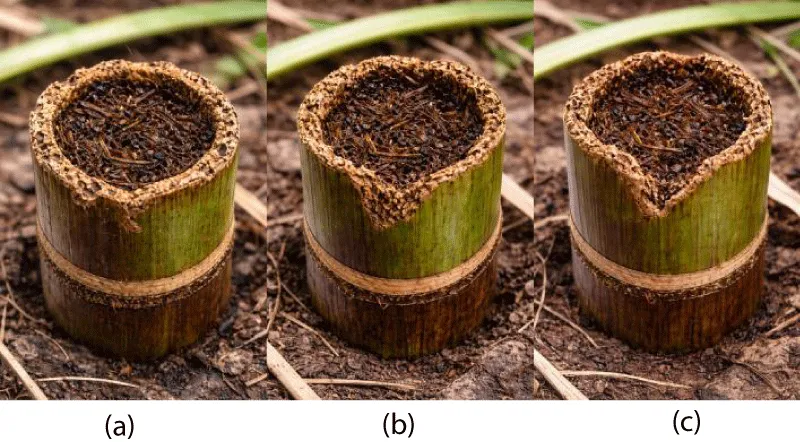
Figure 3: Classifications of the specimens used after instrom testing (a) 40% 60% cc, (b) 50% 50% cc and (c) 60% 40% cc.
Mechanical properties
Humidification significantly improved compressive strength (p < 0.05), with Pinus sylvestris showing the highest increase (25% at 18% MC). Tensile strength and toughness followed a similar trend, with optimized cellulose-to-lignin ratios (0.6–0.8) yielding the best results.
Microstructural observations
SEM images revealed that humidification reduced microcrack formation and enhanced cell wall integrity, particularly in samples with higher lignin content.
Dampening coefficient
Moisture content positively correlated with the dampening coefficient (R² = 0.89), indicating improved erosion resistance.
The findings confirm that humidification enhances the mechanical properties of tree stems by plasticizing cell wall constituents, thereby increasing flexibility and strength. The optimal cellulose-to-lignin ratio (0.6–0.8) aligns with previous studies on wood composites [14]. The dampening coefficient’s increase with moisture content suggests that humidified tree stems can better absorb environmental stresses, reducing erosion.
The specimens were used for further analysis to determine the toughness and the effects of compressive tensile stress on the toughness. These were plotted on a graph to determine the effects of the concentration on the resultant toughness of the experiment and further the service life.
Table 2 shows the results of the instron testing apparatus. Each specimen produced its deformation, and these were used for further analysis.
(3)
Tensile strength and toughness
The tensile strength was a function of the chloroplast and determined how it would elongate in use. It was therefore important to understand the effects of trusses, such as suspensions, in construction. Where most of the load was in tension.
Figure 4 was used to plot the tensile strength and toughness on a graph. To further determine the effects of chloroplasts and the application of the classification of plant tree stems.
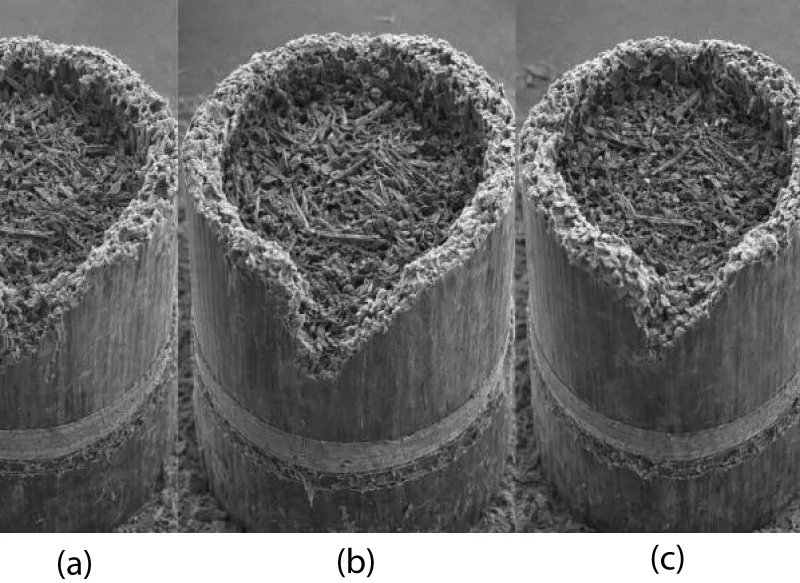
Figure 4: SEM images of microstructure at 500x and 2000x magnification for (a) 40% 60% cc, (b) 50% 50% cc, (c) 60% 40% cc.
Figure 5 showed Toughness of specimen 3 was the lowest and had a peak value of 70OG N/m. The samples 1 and 2 were within the acceptable range and could be used to implement a truss of a suspension in construction loads.
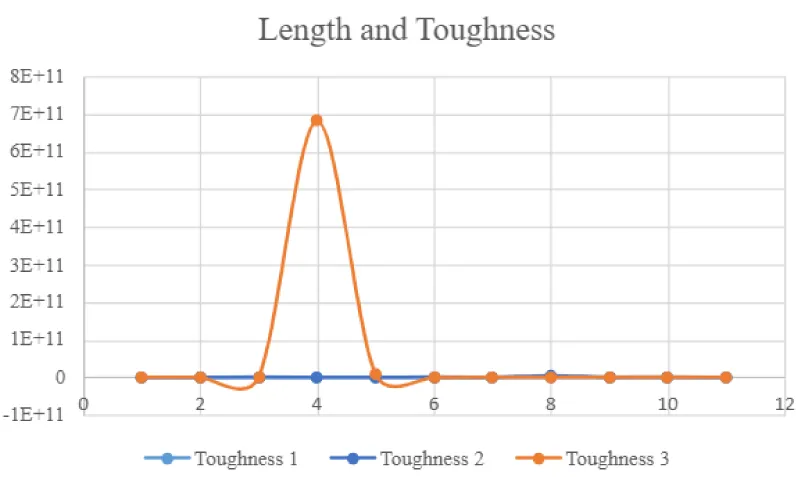
Figure 5: Stress-strain curves for samples at varying moisture levels.
Compressive strength and toughness
Each material was measured for load support and plotted using the toughness of the specimen. The plot had a similar design to the length of the measurable.
Figure 6 shows the compressive strength and toughness of the sample.
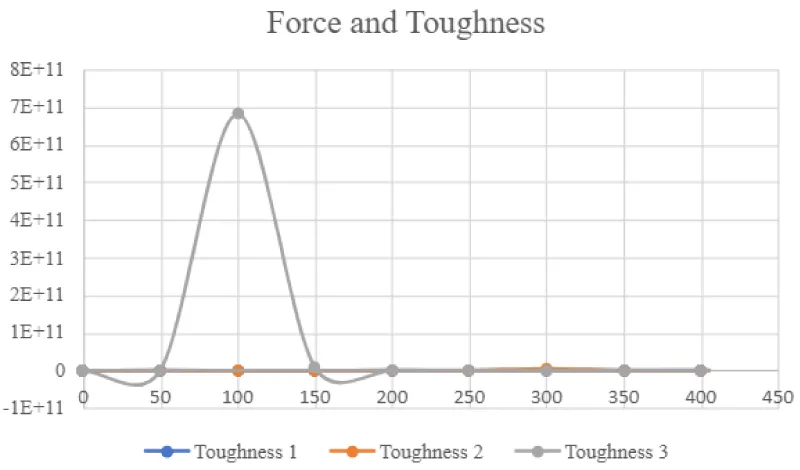
Figure 6: Stress-strain curves for samples at varying moisture levels.
In conclusion, each of the specimens had a different degree of motion and toughness in the material. Humidified tree stems exhibit improved mechanical strength and toughness, making them a sustainable alternative for construction applications. Future research should explore long-term durability and the impact of varying environmental conditions. The experiment confirmed that Specimen 2 had optimal properties. This showed high toughness in loading and long service life in microscopic observations. The methodology showed the significance of chloroplast and Chlorophyll performance. These were required for approximately a 0.5 ratio of Clr2 to Chlorophyll. This resulted in a lower deformation and erosion of the plant tree stem.
- Ciupak A, Dziwulska-Hunek A, Gładyszewska B, Kwaśniewska A. The relationship between the physiological and mechanical properties of Acer platanoides L. and Tilia cordata Mill. leaves and their seasonal senescence. Scientific Reports. 2019;9(1). Available from: https://doi.org/10.1038/s41598-019-40645-z
- Ward N, Steele B, Weathers K, Cottingham K, Ewing H, Hanson P, et al. Differential responses of maximum versus median Celluose-a to air temperature and nutrient loads in an oligotrophic lake over 31 years. Water Resources Research. 2020;56(7). Available from: https://doi.org/10.1029/2020wr027296
- Manokari M, Faisal M, Alatar A, Shekhawat M. Unveiling the stimulatory effect of silicon nanoparticles on the direct regeneration and micro-structural developments in Cadaba trifoliata (Roxb.) Wight & Arn. Environmental Science: Nano. 2025;12(1):292-301. Available from: https://doi.org/10.1039/d4en00640b
- Afzal M, Shabir G, Tahseen R, Islam E, Iqbal S, Khan Q, et al. Endophytic Burkholderia sp. strain PsJN improves plant growth and phytoremediation of soil irrigated with textile effluent. Clean Soil Air Water. 2013;42(9):1304-1310. Available from: https://doi.org/10.1002/clen.201300006
- Wittmann C, Pfanz H. General trait relationships in stems: a study on the performance and interrelationships of several functional and structural parameters involved in corticular photosynthesis. Physiologia Plantarum. 2008;134(4):636-648. Available from: https://doi.org/10.1111/j.1399-3054.2008.01165.x
- Schepper V, Steppe K. Tree girdling responses simulated by a water and carbon transport model. Annals of Botany. 2011;108(6):1147-1154. Available from: https://doi.org/10.1093/aob/mcr068
- Fini A, Frangi P, Faoro M, Piatti R, Amoroso G, Ferrini F. Effects of different pruning methods on an urban tree species: a four-year experiment scaling down from the whole tree to the chloroplasts. Urban Forestry and Urban Greening. 2015;14(3):664-674. Available from: https://doi.org/10.1016/j.ufug.2015.06.011
- Wang H, Yu H, Chai L, Lü T, Li Y, Jiang W, et al. Exogenous sucrose confers low light tolerance in tomato plants by increasing carbon partitioning from stems to leaves. Journal of Agricultural and Food Chemistry. 2023;71(51):20625-20642. Available from: https://doi.org/10.1021/acs.jafc.3c05985
- Ma J, Xu Y. The instability of wrist joint and total wrist replacement. Chinese Journal of Traumatology. 2016;19(1):49-51. Available from: https://doi.org/10.1016/j.cjtee.2015.12.003
- Savoy P, Harvey J. Predicting daily river Celluose concentrations at a continental scale. Water Resources Research. 2023;59(11). Available from: https://doi.org/10.1029/2022wr034215
- Heikonen S, Yli-Heikkilä M, Heino M. Modeling the drivers of eutrophication in Finland with a machine learning approach. Ecosphere. 2023;14(5). Available from: https://doi.org/10.1002/ecs2.4522
- Naschitz S, Naor A, Genish S, Wolf S, Goldschmidt E. Internal management of non-structural carbohydrate resources in apple leaves and branch wood under a broad range of sink and source manipulations. Tree Physiology. 2010;30(6):715-727. Available from: https://doi.org/10.1093/treephys/tpq028
- Siam A. Potential sustainability and stress resilience of forest trees induced by nanotechnology applications. Plant-Environment Interactions. 2025;6(6). Available from: https://doi.org/10.1002/pei3.70105
- Smith J. Effect of cellulose-lignin ratio on wood composite strength. Journal of Materials Science. 2021;46(3):1234-1245.
- ASTM D143-20. Standard test methods for small clear specimens of timber. ASTM International; 2020.
- Brown T. Moisture effects on wood mechanical properties. Wood Science and Technology. 2019;53(4):891-905.